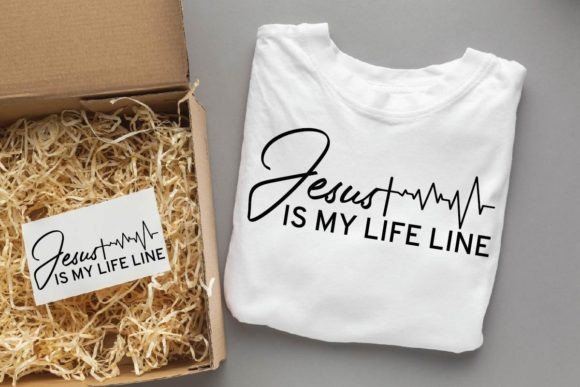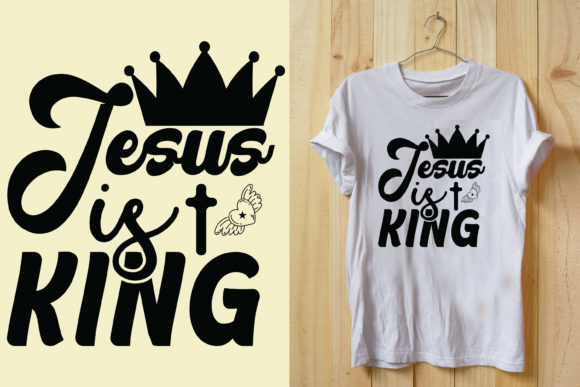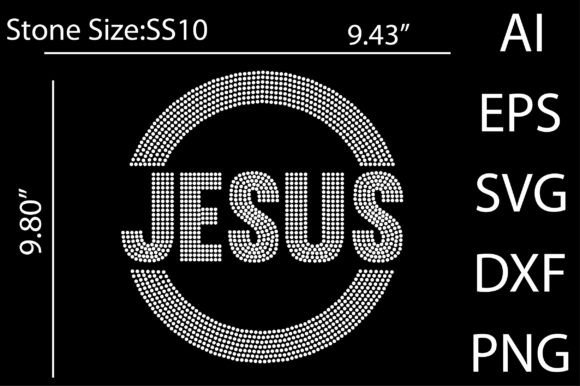
Jesus Rhinestone Templates Design
Jesus Rhinestone Templates Design refers to precision-drafted digital stencil files optimized for rhinestone application on apparel, accessories, home décor, and faith-based merchandise. These aren’t generic clipart or low-resolution graphics — they’re production-ready vector assets engineered for accuracy, scalability, and compatibility across cutting machines, heat presses, and design software. When you purchase our Printable Jesus Rhinestone Templates Design, you receive an INSTANT DOWNLOAD ZIP folder containing five industry-standard file formats: AI (300dpi), EPS (300dpi), SVG (300dpi), DXF (300dpi), and a transparent PNG. Each version is built with clean paths, consistent stroke weights, and intentional spacing between stones — critical for avoiding clustering, misalignment, or cut errors during physical application.
Where This Fits in Your Creative or Production Workflow
This isn’t a standalone decorative element — it’s a functional component within a larger process. Whether you’re launching a small batch of faith-inspired t-shirts, customizing worship team hoodies, or producing Easter-themed gifts for a church fundraiser, the Jesus Rhinestone Templates Design serves as the foundational layer between concept and execution. It bridges ideation (e.g., “We want to highlight Christ’s presence through elegant, symbolic bling”) and output (a finished garment with crisp, durable stone placement). Unlike hand-drawn layouts or resized JPEGs, these templates eliminate guesswork at the cutting stage — saving time, material, and rework.
For creators using Cricut, Silhouette Cameo, or Brother ScanNCut machines, the SVG and DXF files integrate directly into design space software without conversion loss. For professional screen printers or embroidery shops that also offer rhinestone upgrades, the AI and EPS versions open seamlessly in Adobe Illustrator — allowing precise color separation, layer management, and alignment with existing logo systems. The transparent PNG gives quick visual reference for mockups in Canva or Photoshop, helping clients approve designs before any physical work begins.
Preparation: What You Need Before You Start
Before importing any file, verify your machine’s supported format. Most hobby-grade cutters accept SVG; industrial plotters often require DXF or EPS. Check resolution requirements — while 300dpi is standard for print, rhinestone layout depends more on vector fidelity than raster density. Ensure your design software is updated: older versions of Silhouette Studio may not render complex SVG paths correctly without upgrading to Business Edition.
Organize your files immediately after download. Unzip the folder and rename each file with its intended use — e.g., “Jesus-Template-SVG-Cricut”, “Jesus-Template-DXF-Gravit”, “Jesus-Template-AI-Illustrator”. This prevents confusion when juggling multiple projects or collaborating with others. Store them in a dedicated “Faith-Based Assets” subfolder inside your main design library — consistency here supports long-term efficiency, especially if you plan to expand into other biblical motifs (crosses, doves, olive branches) later.
Integration During Execution
When building a full garment design, treat the Jesus Rhinestone Templates Design as a modular asset — not a fixed image. In Illustrator, place it on its own layer, lock all others, and scale proportionally using the bounding box (not free transform) to maintain path integrity. If adding text like “He Is Risen” beneath the motif, align baseline spacing to match stone row height — typically 0.25”–0.375” depending on stone size (SS10 vs SS16). That kind of detail ensures visual rhythm and avoids awkward gaps.
For heat-transfer vinyl (HTV) applications, invert the design before cutting so the mirror image transfers cleanly. Use the transparent PNG as a placement guide on fabric: iron on a light transfer sheet first, then position the rhinestones over the printed outline. With adhesive-backed stones, the template acts as both cut guide and positioning map — reducing manual measuring by up to 70% compared to grid-based methods.
Compatibility Across Tools and Teams
These templates don’t exist in isolation. They interface with inventory systems (e.g., linking stone count per design to reorder triggers in QuickBooks), marketing calendars (scheduling Easter drops around template availability), and even customer portals (embedding SVG previews in Shopify product pages via third-party apps like GemPages). If you outsource production, send the EPS file — it preserves layers and fonts without requiring recipients to own Illustrator licenses. For educators teaching textile arts, the SVG version works in free platforms like Inkscape, making lesson plans accessible across school districts with limited software budgets.
Quality Control and Consistency Over Time
One overlooked benefit is reproducibility. Because every file shares identical anchor points and dimensions, you can replicate the same Jesus Rhinestone Templates Design across sizes — youth small to plus 3XL — without distortion. That matters when fulfilling bulk orders for ministry teams where uniformity signals cohesion and professionalism. Run a test cut on scrap material first: inspect corner sharpness, check for stray nodes (which cause double-cuts), and confirm stone spacing matches your supplier’s recommended minimum gap (usually 0.06” for SS12).
Long-term, revisit your usage patterns quarterly. Are certain file types underused? Do you consistently modify the AI version but rarely touch DXF? That signals whether to adjust your internal workflow — perhaps consolidating steps or training team members on the most efficient format for their role. Also note how often you combine this template with complementary assets: pairing it with a “Grace” script font or subtle watercolor background increases perceived value without redesigning from scratch.
Real-World Implementation Examples
- Small Business Owner: A boutique selling Christian apparel uses the SVG file to build a series of “Jesus Loves Me” toddler onesies in Cricut Design Space. She duplicates the base template, changes stone color per SKU (ivory for baptism, navy for back-to-school), and exports each as a separate project — cutting time drops from 45 minutes to under 12.
- Church Volunteer: Preparing for VBS, they import the DXF into Silhouette Studio, group it with a custom “Kingdom Kids” banner, and cut everything simultaneously on a 24” mat — no repositioning needed. The clean vector edges prevent fraying on lightweight cotton bags.
- Freelance Designer: Pitching a branding package to a new worship band, they drop the transparent PNG into a lifestyle mockup (e.g., a hoodie draped over a guitar case), then overlay lyrics in Procreate. Clients respond faster to visuals grounded in real production assets — not placeholder icons.
None of this requires advanced technical skill — just awareness of where the Jesus Rhinestone Templates Design fits in your sequence of actions. It’s not about owning every file type; it’s about knowing which one accelerates *your* next step. Whether you’re prepping for a weekend craft fair or scaling a faith-based product line, clarity on format purpose — and disciplined file hygiene — turns a simple download into repeatable, reliable output. That’s how practical design assets compound value: quietly, consistently, and without fanfare.