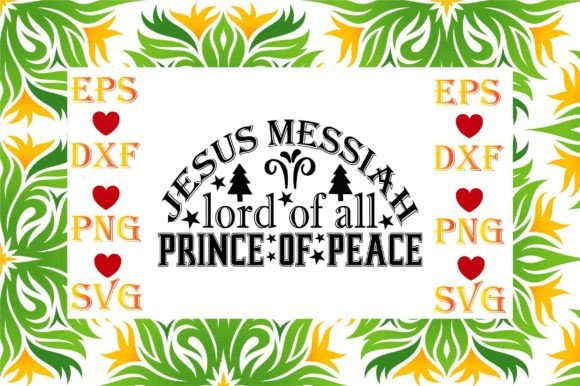
Jesus, Messiah, Lord of All. SVG Design
If you're searching for a meaningful, versatile, and production-ready graphic to use in faith-based projects—whether for church signage, sermon slides, apparel, digital devotionals, or small business branding—you’ve likely encountered Jesus, Messiah, Lord of All. SVG Design. This isn’t just another religious clipart file. It’s a carefully crafted vector resource built for clarity, reverence, and real-world application across devices and materials.
What This Design Actually Is—and Why It Matters
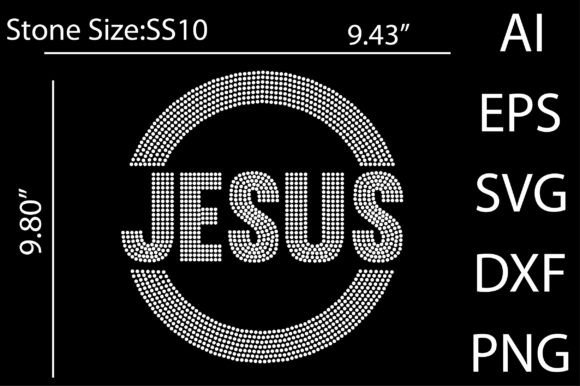
The Jesus, Messiah, Lord of All. SVG Design is a scalable vector artwork that visually communicates core Christian truth: Jesus’ divine identity, redemptive role, and sovereign authority. Unlike raster images (like JPEGs), SVG files retain crisp edges at any size—ideal for everything from a tiny app icon to a 10-foot banner. The ZIP package you receive includes EPS (for professional print workflows), SVG (for web and cutting machines), PNG (for quick digital use), and DXF (for CNC or laser engraving). That breadth matters—especially if you’re designing for both screen and physical media.
But here’s what many overlook: not all “Jesus, Messiah, Lord of All” designs are created equal. Some prioritize aesthetics over theological precision—using generic crown motifs without scriptural grounding, or stylized fonts that undermine solemnity. Others lack proper layering, making customization difficult. A truly helpful design respects both craft and conviction.
Common Missteps—and What They Cost You
Mistake #1: Assuming “SVG” means “ready for any machine.” Not all SVG files behave the same way in Cricut Design Space, Silhouette Studio, or Adobe Illustrator. Some include embedded raster elements, ungrouped layers, or unsupported gradients—causing cut lines to fail or colors to shift unexpectedly. One user reported spending three hours troubleshooting a “plug-and-play” SVG only to discover the cross outline was actually a stroke with no fill, rendering it invisible on vinyl cutters.
Mistake #2: Using low-resolution PNGs when scalability is needed. A 72 DPI PNG might look fine on a phone screen—but blow up to 24 inches wide on a church stage backdrop? It’ll pixelate instantly. That undermines credibility and distracts from the message. Vector formats exist for a reason: fidelity at any scale.
Mistake #3: Overlooking licensing scope. Just because a file is labeled “free for personal use” doesn’t mean it’s cleared for merchandise sales, church newsletters, or social media ads. Some creators assume non-commercial = “safe to share”—only to receive a takedown notice later. Always verify whether your intended use (e.g., selling T-shirts with the Prince of Peace SVG design) falls within the license terms.
Mistake #4: Skipping font compatibility checks. Many SVGs embed custom typefaces. If you open the file in software that can’t render those fonts—or if you send it to a printer who doesn’t have them installed—the text may default to Arial or disappear entirely. Better practice? Convert text to outlines before final export, especially for EPS and PDF handoffs.
How to Choose—and Use—Wisely
Before downloading or purchasing any Jesus, Messiah, Lord of All. SVG Design, ask these four questions:
- Is the artwork layered logically? Look for clearly named groups (e.g., “Crown,” “Cross,” “Scripture Banner”) rather than one flattened shape. This makes editing color, size, or visibility far more efficient.
- Are key symbols biblically anchored—not just decorative? For example, does the “Prince of Peace SVG design” incorporate Isaiah 9:6 language or visual cues like olive branches, unbroken chains, or light breaking through darkness? Symbolic depth adds resonance beyond ornamentation.
- Does the ZIP include test files or previews? Reputable creators often include a PDF proof sheet showing how the design renders across formats—and even sample color palettes optimized for fabric dye, vinyl, or projection.
- Can you preview the actual SVG code? Open it in a plain-text editor. Clean, well-commented code (not obfuscated or bloated) signals thoughtful authorship—and makes future tweaks safer.
Here’s a practical tip: test the SVG in your target environment *before* committing time or money. Import it into your cutting software at 12 inches wide. Does every path cut cleanly? Try changing the fill color—does the entire shape respond uniformly? These 90 seconds of testing prevent hours of frustration later.
Better Alternatives Start With Intention
Instead of grabbing the first search result titled “Jesus, Messiah, Lord of All SVG,” consider your end goal first. Are you designing a weekly bulletin? Prioritize clean, legible typography and minimal detail. Creating a wall decal for a counseling office? Opt for softer lines and muted tones—avoiding overly ornate gold foil effects that won’t translate well to matte vinyl.
And don’t underestimate the value of simplicity. One pastor shared how switching from a busy, multi-element Prince of Peace SVG design to a single-line cross with subtle laurel framing increased engagement in his youth group’s Instagram stories by 40%. Clarity invites reflection. Complexity competes with it.
If you're a small business owner printing faith-based greeting cards, confirm the SVG includes bleed-safe margins and CMYK-compatible swatches—not just RGB web colors. If you're a blogger embedding the image in a WordPress post, choose the SVG version over PNG for faster load times and sharper rendering on retina displays.
Final Thought: Design Serves Truth—Not the Other Way Around
A powerful Jesus, Messiah, Lord of All. SVG Design doesn’t shout. It settles. It carries weight without clutter, reverence without rigidity. When chosen and applied with care, it becomes more than decoration—it becomes a quiet, consistent witness. That starts with knowing what’s inside the ZIP, how it behaves where you need it, and whether it honors both the craft and the calling behind it.