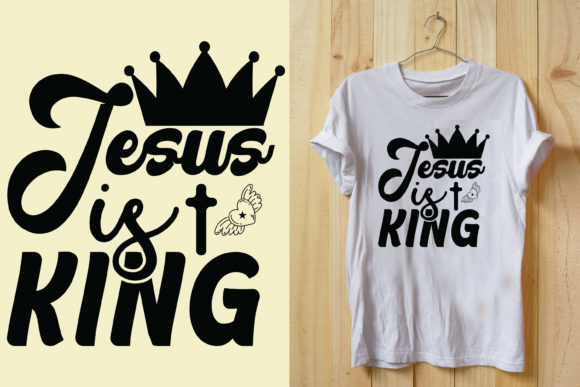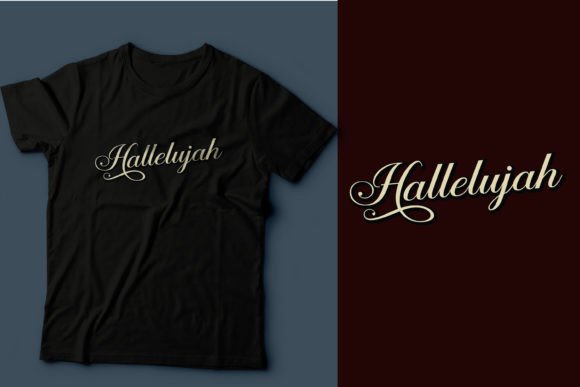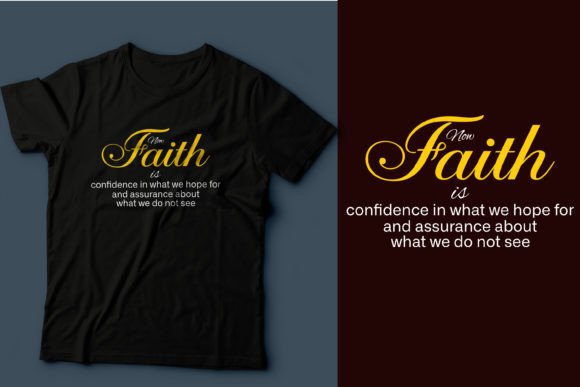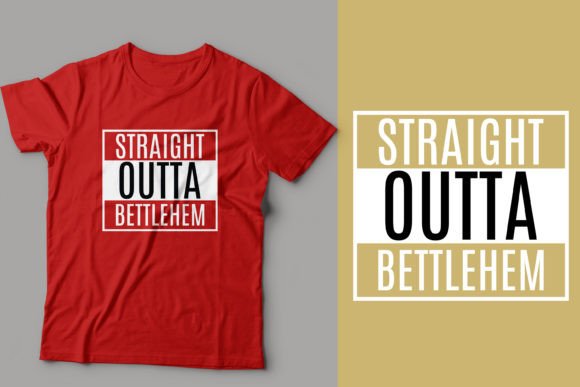
He Heals the Broken Hearted Jesus Shirt
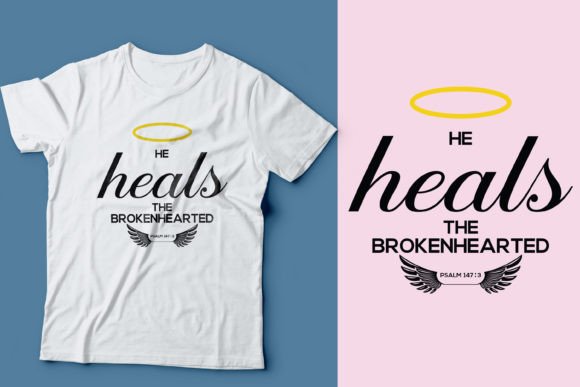
Wearing a He Heals the Broken Hearted Jesus Shirt is more than a fashion statement—it’s a quiet, confident expression of faith grounded in compassion, resilience, and hope. Designed with clean Jesus typography, this shirt centers a biblical truth from Psalm 147:3—not as ornamentation, but as an anchor. Its relevance has deepened in recent years, not because trends shifted toward religious apparel, but because people increasingly seek meaning, authenticity, and emotional resonance in what they wear—and how they create.
Why This Design Resonates Now
Today’s consumers—especially adults aged 20 to 50—don’t just buy clothing; they invest in alignment. A professional launching a wellness coaching practice, a teacher preparing for a school chapel talk, or a small business owner curating merchandise for a faith-based nonprofit all look for designs that reflect depth without compromise. The He Heals the Broken Hearted Jesus Shirt meets that need precisely: it avoids cliché imagery while holding theological clarity. Its typography-first approach—minimalist, legible, intentional—fits seamlessly into modern visual culture, where serif and sans-serif letterforms carry as much weight as icons.
This shift reflects broader changes in how people engage with spiritual identity. Social media feeds, podcast intros, and even conference stage backdrops now favor refined, scalable text over complex illustrations. That’s why vector files matter—not as technical afterthoughts, but as essential tools for real-world use. When you receive 100 vector files in CMYK color mode (EPS 10, SVG, PNG included), you’re not getting “just files.” You’re receiving flexibility built for purpose: screen printing on cotton tees, embroidery digitization for hoodies, sublimation for performance apparel, or even vinyl cutting for church event banners.
From Concept to Print-Ready Reality
Vector files in EPS 10 format are industry-standard for professional printing—especially when color accuracy and scalability are non-negotiable. CMYK color mode ensures what you see on screen translates faithfully to physical garments, avoiding unexpected shifts during press runs. Unlike RGB-based web graphics, CMYK vectors preserve fidelity across fabric types, ink densities, and print methods—from DTG (direct-to-garment) to traditional screen printing.
What makes these files especially valuable for creators and small teams? Editability. You can adjust stroke weight, reposition lines, swap fonts (within licensing limits), or isolate individual letters to build custom variations—say, adding a subtle cross motif beside the “H” in “He,” or adapting the phrase for youth group retreats (“He Heals Our Hearts”). Because the files include SVG and PNG versions alongside EPS, designers using Affinity Designer, Adobe Illustrator, Cricut Design Space, or Silhouette Studio can jump in immediately—no conversion headaches, no pixelation at large sizes.
Practical Use Across Roles
For educators and pastors: These vectors support consistent branding across sermon series materials, small group handouts, or volunteer T-shirts—without outsourcing design each time. One file set becomes a reusable asset across multiple seasons.
For entrepreneurs and Etsy sellers: Launching a line of faith-centered apparel requires speed and precision. With ready-to-print CMYK vectors, you skip the costly step of hiring a designer to adapt a raster image for garment production. You also avoid copyright risk—these are original typography assets, not traced clipart.
For marketers and nonprofit staff: When promoting mental health awareness within faith communities, pairing this shirt with thoughtful storytelling—like sharing testimonies of healing or hosting listening circles—creates tangible connection. The shirt isn’t a replacement for care; it’s a conversation starter, worn by counselors, chaplains, and peer supporters alike.
For freelancers and creatives: Clients often ask for “something meaningful but not too literal.” This design answers that brief cleanly. You can present the vector as a starting point—then layer in custom textures, background gradients, or responsive web adaptations—knowing the core typography remains crisp and legally clear to use.
How Design Choices Reflect Deeper Values
The decision to center “He Heals the Broken Hearted” in typography—rather than illustration—is deliberate. It invites reflection, not quick recognition. Readers slow down. They notice spacing. They feel the weight of each word. That intentionality mirrors how many people now approach spiritual formation: less about spectacle, more about substance. It aligns with growing preferences for understated faith expressions—think muted palettes, breathable fabrics, and messaging that honors complexity rather than oversimplifying pain.
This isn’t about minimizing suffering. It’s about naming healing as active, personal, and ongoing—a posture reflected in the shirt’s clean lines and balanced composition. Even the choice of CMYK over RGB signals respect for physical presence: this message is meant to be worn, held, seen in person—not just scrolled past on a feed.
What to Consider Before Using the Files
While the vector package offers significant flexibility, responsible use starts with context. Ask: Who is the audience? What setting will this appear in? A hospital chaplaincy program may prioritize soft gray tones and relaxed-fit tees; a college ministry might lean into bold navy or heather charcoal with crisp white typography. The files let you test those variations fast—but discernment guides the choice.
Licensing is another quiet but critical factor. These are original, commercially usable vectors—meaning you can produce and sell physical items (shirts, tote bags, notebooks) without royalty fees. However, redistribution of the raw EPS/SVG files—as standalone digital products—is typically excluded. Always verify the license terms included with your download, especially if collaborating with third-party printers or agencies.
Also worth noting: while PNG files offer transparency and web readiness, they’re raster-based and scale-limited. For large-format prints (e.g., 24” x 36” posters or vehicle wraps), rely on EPS or SVG. And remember—CMYK files preview best in design software, not standard web browsers. Open them in Illustrator or InDesign first to assess color balance before sending to print.
Looking Ahead: Faith, Design, and Everyday Witness
The rise of typography-driven faith apparel isn’t a passing trend—it’s part of a longer movement toward integrated witness: where belief shows up in how we work, create, speak, and dress. The He Heals the Broken Hearted Jesus Shirt fits naturally here because it doesn’t shout. It stands. It serves. It scales—from a single tee gifted to someone grieving, to a hundred shirts unboxed before a community healing event.
As remote work blurs the lines between personal and professional spaces, what we wear—even at home during a Zoom call—carries quiet significance. A well-designed Jesus typography shirt communicates care without presumption. It opens space instead of closing it. And with editable, print-ready vectors in hand, that message stays adaptable, accurate, and accessible—across mediums, markets, and moments.
Ultimately, this isn’t about perfect execution. It’s about faithful iteration: refining a design to meet real needs, supporting creators who serve others, and ensuring that when someone reads “He Heals the Broken Hearted” on a shirt, they feel seen—not sold to, not preached at, but met.